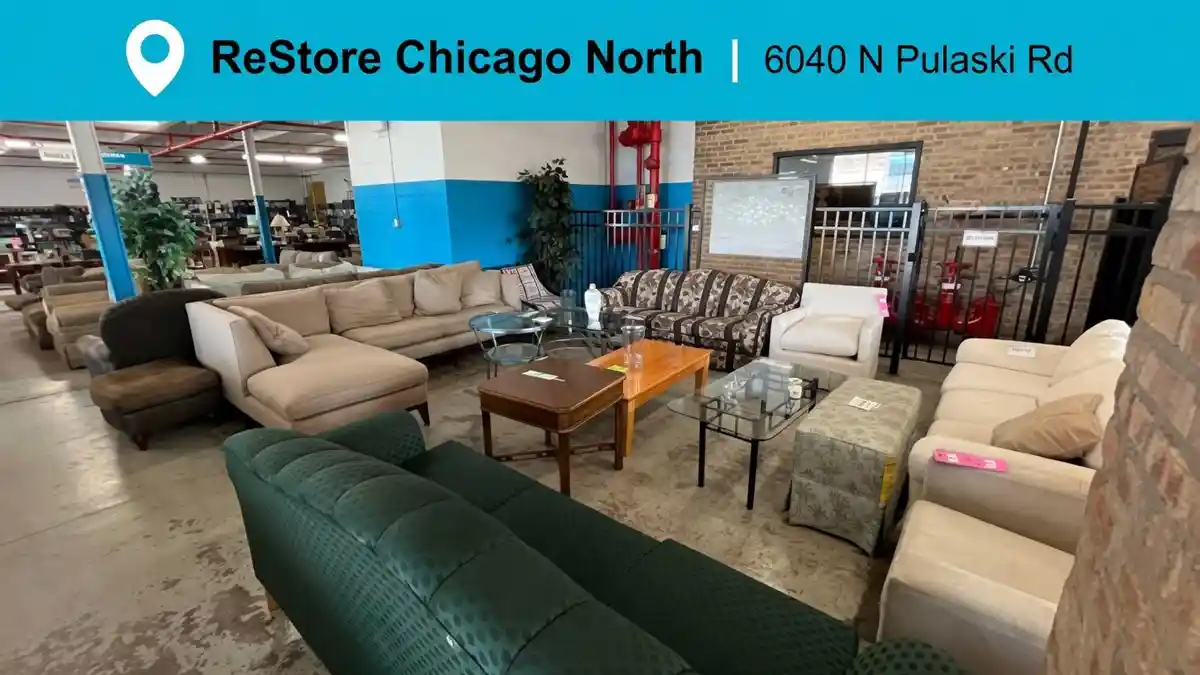
Habitat for Humanity ReStore Chicago North: A Broker’s Read on Reuse Retail Value
A reuse retail store can teach business owners more about margin, inventory, and community demand than most traditional shops. That is why habitat for humanity restore chicago north keeps landing on our radar when clients weigh a resale venture, a liquidation exit, or a retail lease decision on the North Side.
Our team looks past the donation bins and asks the practical question: what does this model tell us about local demand and deal value? Below, we break down the location facts, the pricing logic, and the strategic signals that matter for owners, buyers, sellers, and landlords.
Key Takeaways
- The model is donation-driven, not purchase-driven. ReStores sell donated goods, so inventory cost sits near zero, which reshapes margin math for any nearby reuse operator.
- Location and traffic carry signals. A steady community store at 6040 North Pulaski Road points to real, recurring demand for affordable home goods and building materials.
- Structure changes everything. Whether you run nonprofit-backed, for-profit resale, or liquidation resale, the operating model drives your risk and value far more than square footage.
How Rate Field West 35th Street Chicago IL Drives South Side Business Opportunity
Location and Hours: The Facts That Matter
ReStores are independently owned reuse stores operated by local Habitat for Humanity organizations. They sell donated new and gently used furniture, appliances, home goods, and building materials, and the sales help fund affordable housing. That mission-plus-retail blend shapes traffic, pricing, and community goodwill.
For anyone studying habitat for humanity restore chicago north, the operating details are worth pinning down before you compare any nearby business.
| Detail | Information |
|---|---|
| Store name | ReStore Chicago North |
| Address | 6040 N Pulaski Rd, Chicago, IL 60646 |
| Store hours | Wednesday to Sunday, 11:00 a.m. to 6:00 p.m. |
| Donation drop-off | Wednesday to Sunday, 11:00 a.m. to 5:30 p.m. |
| Parent office | Habitat Chicago, 111 W Jackson Blvd, Ste 2130, Chicago, IL 60604 |
| Office hours | Monday to Friday, weekday business hours |
Verify current hours before any visit, since seasonal and holiday schedules change.
Inventory Model and Pricing Implications
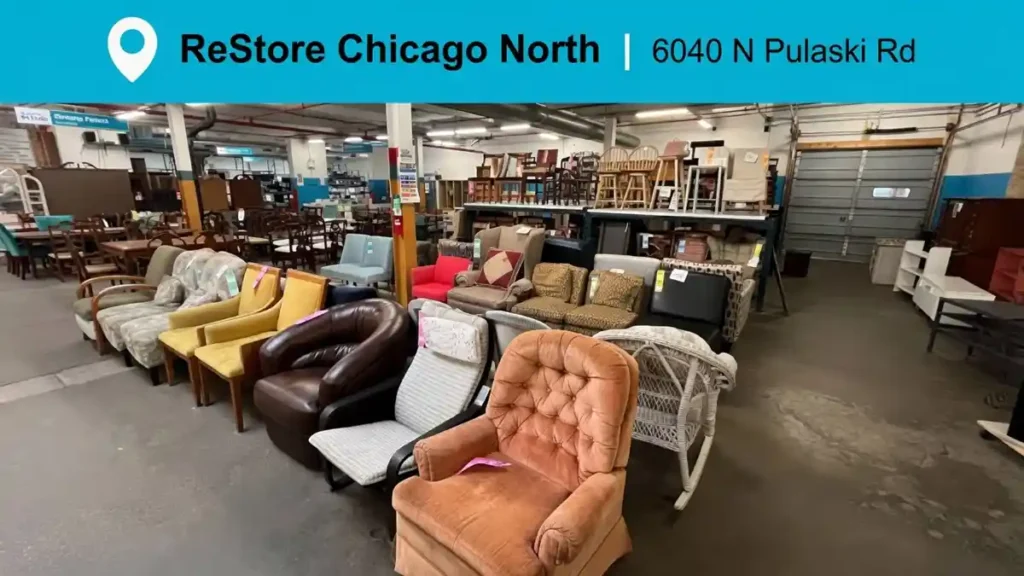
Here is where the model gets interesting for a broker. Donated inventory means the cost of goods is near zero. That single fact rewrites the margin story compared to a for-profit shop that buys stock at wholesale.
What that means in practice:
- Gross margins run high because donations replace purchased inventory.
- Pricing stays low to move a constantly changing mix.
- Turnover depends on donation flow, not on reorder budgets.
- Labor and volunteers offset some staffing cost in the nonprofit model.
| Pricing and Value Factor | Nonprofit ReStore | For-Profit Reuse Retail | Liquidation Resale |
|---|---|---|---|
| Inventory cost | Near zero (donated) | Low to moderate | Bulk lot purchase |
| Gross margin | Very high | Moderate to high | Variable, deal-based |
| Pricing strategy | Low, mission-driven | Market-based | Discount to clear |
| Revenue stability | Donation-dependent | Demand-dependent | Deal-flow dependent |
| Goodwill value | Strong community brand | Earned over time | Minimal |
Our hands-on deal analysis suggests that any for-profit operator near this store must accept that it cannot beat a donation-funded competitor on price alone. It must win on selection, speed, or service.
What This Location Means for Nearby Operators
A busy reuse store signals live demand for affordable furniture, appliances, and building materials on the North Side. For resale shops, estate clean-out services, and liquidation operators, that demand is a green light, but the competitive read matters.
Opportunities nearby:
- Estate clean-out firms can route sellable goods to resale and donate the rest.
- Liquidation resellers can target categories the ReStore does not emphasize.
- Small retail operators can position on convenience, curation, or delivery.
Watch-outs:
- Price pressure from a donation-funded neighbor is real.
- Overlap in categories like furniture can split foot traffic.
- Donation competition may pull free inventory away from for-profit resellers.
If you have been tracking Illinois business sales, this pattern is familiar. Mission-driven retail lifts community awareness of reuse, which can grow the whole category even as it pressures individual price points.
Reading Nonprofit-Adjacent Traffic as a Buyer
Business buyers often misread community-driven retail. A packed nonprofit store does not guarantee a nearby for-profit shop will thrive. The traffic is real, but the buyer motive is price and mission, not brand loyalty.
How we coach buyers to interpret it:
- Separate demand from transferability. Category demand is strong; it does not transfer to your P&L automatically.
- Study the buyer profile. Value shoppers may resist higher for-profit pricing.
- Map category gaps. Find what the ReStore underserves, then own that niche.
- Model donation dependence. A nonprofit competitor’s supply swings with community giving.
Habitat for Humanity ReStore Chicago North: A Broker’s Read on Reuse Retail Value
— Chicagoland Business Broker (@chicagoland55) September 22, 2026
That is why habitat for humanity restore chicago north keeps landing on our…@RestoreBritain @HFHChicagoYouth @Habitat_org https://t.co/CWjsp6vZi9
Due Diligence and Competitive Positioning
Chicagoland dealmakers are noting how important a clean competitive read is before buying or launching a resale operation near a strong ReStore. Here is the split we use on responsibilities during a deal.
| Task | Buyer / Operator | Seller / Landlord |
|---|---|---|
| Verify foot traffic and demand | Confirm and model | Provide records |
| Category and price analysis | Build comparison | Share sales data |
| Lease terms and location fit | Review and negotiate | Disclose and support |
| Inventory sourcing plan | Design | N/A |
| Financials and margin proof | Validate | Deliver P&L |
| Transition and staffing | Plan | Introduce and train |
Due diligence checklist for a nearby resale or liquidation deal:
- Confirm local demand with real sales and traffic data.
- Map category overlap with the ReStore and other reuse outlets.
- Test sourcing reliability for your inventory pipeline.
- Model occupancy cost against realistic margins.
- Review seller financials and add-backs carefully.
- Check licensing and resale permits for used goods.
How the Fuller Park Neighborhood Chicago Is Reshaping Business Valuation and Investment Strategy
Operating Model Comparison
The three common paths each carry different risk and value. Most of our clients weigh these before they commit capital.
| Model | Best For | Upside | Main Risk |
|---|---|---|---|
| Nonprofit ReStore | Mission-driven reuse | Donated stock, community goodwill, tax-supported giving | Donation supply swings |
| For-profit reuse retail | Curated resale operators | Pricing control, brand building | Higher inventory cost |
| Liquidation resale | Deal-driven flippers | Fast turns, opportunistic margins | Inconsistent supply |
Pros and cons at a glance:
- Nonprofit ReStore: low inventory cost and strong brand, but revenue leans on donation flow.
- For-profit reuse: full pricing control, but you pay for stock and carry more risk.
- Liquidation resale: quick cash cycles, but supply and quality can be unpredictable.
Donation and Tax Notes for Sellers Clearing Assets
Owners closing a business or clearing an estate often donate usable goods. That can support the mission and reduce disposal cost. Keep the tax side clean and practical.
- Document every noncash donation with itemized lists and fair value.
- Keep receipts from the receiving store.
- Confirm current rules for noncash charitable contributions with official IRS guidance before filing.
This is general context, not tax advice. Always confirm your situation with a qualified professional.
Sale Preparation Steps for Resale and Reuse Operators
If you plan to sell a reuse or resale business near this North Side corridor, prepare early.
- Clean up financials with clear margins and add-backs.
- Document sourcing channels and their reliability.
- Show category strengths that differ from nearby donation-driven stores.
- Stabilize staffing and reduce owner dependence.
- Confirm lease transferability and remaining term.
- Package traffic and demand data buyers can trust.
How Studio Apartments in Chicago Area Are Reshaping Residential Real Estate Strategy in 2026
Frequently Asked Questions
Is ReStore Chicago North a store or a donation center?
Both. It sells donated goods to the public and accepts drop-off donations during posted hours.
Where is it and when is it open?
It is at 6040 N Pulaski Rd, Chicago, IL 60646, open Wednesday to Sunday, 11:00 a.m. to 6:00 p.m., with donation drop-off ending at 5:30 p.m. Confirm current hours before visiting.
Can a for-profit resale shop compete nearby?
Yes, but not on price alone. Win on curation, convenience, delivery, or category niches the ReStore does not emphasize.
Does strong ReStore traffic mean my nearby shop will succeed?
Not automatically. Category demand is real, but it does not transfer to your numbers without a clear position and clean sourcing.
Can I donate business or estate assets there?
Often yes, for usable furniture, appliances, home goods, and building materials. Document values and confirm deduction rules with official IRS guidance.
The Bottom Line
The story behind habitat for humanity restore chicago north is a lesson in margin, demand, and positioning. Donated inventory drives high margins and low prices, which means nearby for-profit operators must compete on selection and service, not price.
Read the traffic carefully, confirm demand with real data, and match your operating model to your risk tolerance before you buy, sell, or lease.
Ready to move on a valuation, an exit plan, an acquisition strategy, real estate coordination, or a healthcare practice transition across Cook, Lake, DuPage, and McHenry Counties? Talk with Chicagoland Business Broker. We bring 15 plus years in business brokerage, 25 plus years in healthcare practice sales, and Illinois real estate integration to every deal.


2 Comments