How Joe’s Bar on Weed St Chicago Sets the Standard for Hospitality Business Valuation in Illinois
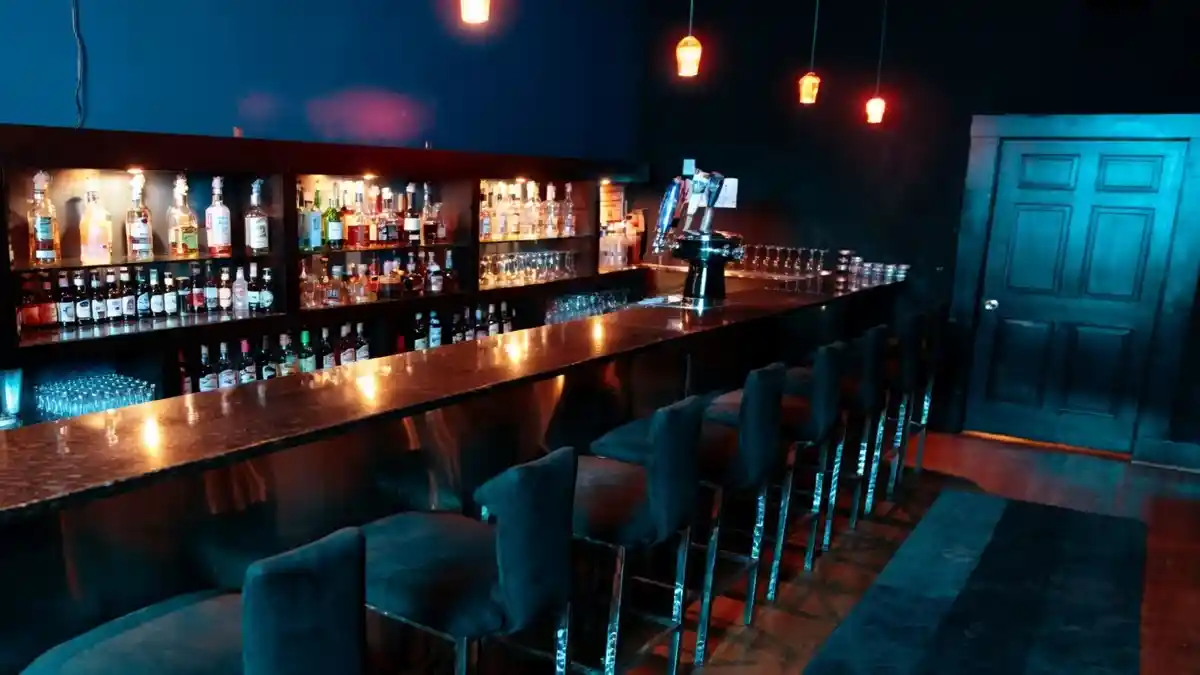
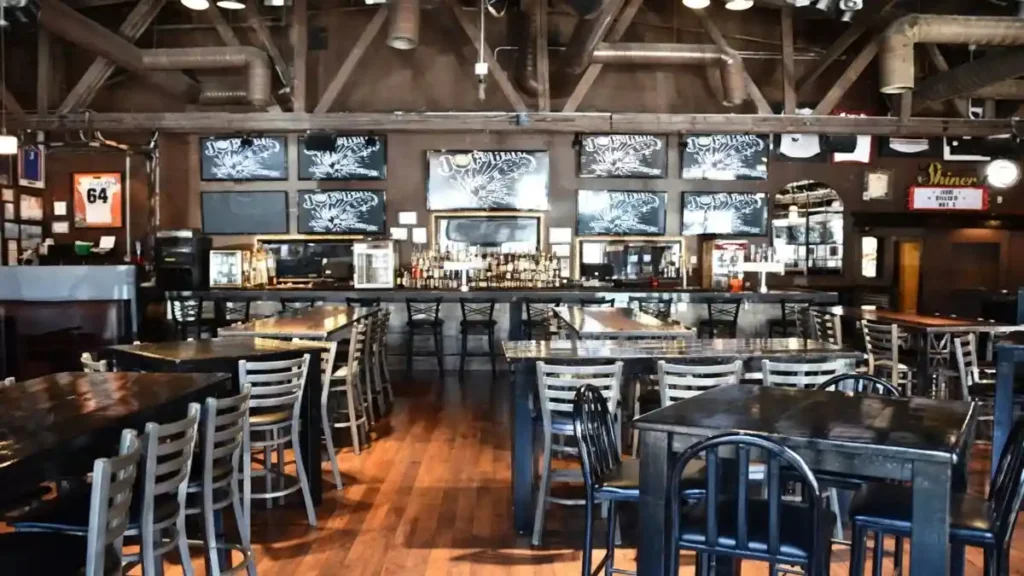
Every buyer who tours a Chicago entertainment venue asks the same question: what makes one bar worth five times another? The answer sits at 940 W. Weed St. in Lincoln Park. Joe’s Bar on Weed St Chicago shows exactly what a high-multiple hospitality asset looks like: a 20,000 sq. ft. venue, 110+ TVs, a 7-time Academy of Country Music Venue of the Year award, and five distinct event spaces that each generate revenue. At Chicagoland Business Broker, we study operations like this to price real deals across Cook, Lake, DuPage, and McHenry Counties.
Key Takeaways
- Diversified revenue (concerts, sports, private events, and food and beverage) is what pushes a bar’s valuation multiple higher than a single-stream tavern.
- Joe’s Bar on Weed St Chicago proves that brand equity, awards, and a proven event calendar function as measurable intangible assets during a sale.
- Buyers should model SDE (Seller’s Discretionary Earnings) and EBITDA together, then match the right financing and license transfer path before signing.
108 North State Street Chicago for Illinois Business Buyers and Sellers
Why Joe’s Bar on Weed St Chicago Is a Valuation Benchmark
Joe’s Bar on Weed St Chicago is a benchmark because it monetizes the same square footage in five different ways. A standard neighborhood bar sells drinks. This venue sells ticketed concerts, game-day experiences, private event bookings, and food and beverage on top of that. Our hands-on deal analysis suggests that revenue diversity is the single strongest driver of a premium multiple in hospitality.
Here is the operational snapshot buyers should study first.
| Venue Fact | Detail |
|---|---|
| Address | 940 W. Weed St., Chicago, IL 60642 |
| Size | 20,000 sq. ft. warehouse-style venue |
| TVs | 110+ screens plus HD projectors |
| Awards | 7x ACM Venue of the Year |
| Neighborhood | Lincoln Park |
| Phone | (312) 273-5118 |
Your first step: map every revenue stream a target venue runs before you assign a single multiple.
The Five Revenue Streams Behind the Multiple
A bar’s valuation rises when income does not depend on one activity. Joe’s runs at least five streams, and each one carries its own margin profile. Buyers who understand this mix can price risk accurately.
- Ticketed live music with national touring acts
- Sports viewing across 110+ screens driving food and beverage sales
- Private event rentals across five bookable spaces
- Full-service bar and restaurant in the front room
- Sponsorships and promotions tied to alumni fan groups and game-day specials
Each stream smooths seasonality, which lenders and buyers both reward. A venue that earns from concerts in winter and rooftop bookings in summer carries less cash-flow risk than a patio-only bar.
Private Event Spaces: Rentable Square Footage as an Asset
Private event spaces convert idle square footage into booked revenue. Joe’s markets five distinct rooms, each priced by capacity and amenities. According to venue listings on The Bash, package pricing scales cleanly with guest count.
| Event Space | Starting Price | Guest Capacity |
|---|---|---|
| VIP Loft Lounge | $625 | 25–75 |
| Red Room | $1,875 | 75–125 |
| Rooftop | $2,500 | 100–120 |
| Chapter Room | $3,750 | 150–200 |
| Clubhouse | $6,250 | 250–800 |
Buyer action: request 24 months of booking data per room to confirm utilization rates, not just list prices.
The Concert Calendar as Recurring Revenue Evidence
A booked event calendar is proof of forward revenue. When you buy an entertainment venue, you are buying its pipeline, not just its walls. Joe’s published fall 2026 lineup shows a steady cadence of ticketed shows.
| Artist | Date |
|---|---|
| Carly Pearce | Thursday, 9/17 |
| Fox N’ Vead | Thursday, 9/24 |
| Drake White | Friday, 9/25 |
| Zach John King | Friday, 10/2 |
| Alana Springsteen | Saturday, 10/3 |
Chicagoland dealmakers are noting that a confirmed booking calendar materially supports asking price. It converts projected income into contracted income.
Next step: ask any seller for signed talent contracts and advance ticket sales before you accept a revenue projection.
How to Value a Hospitality Business Like Joe’s Bar on Weed St Chicago
Valuing a bar comes down to two numbers and one structure decision. You measure earnings, apply a market multiple, then choose how the deal is structured. At Chicagoland Business Broker, we run SDE for owner-operated venues and EBITDA for larger, management-run operations.
SDE (Seller’s Discretionary Earnings) adds the owner’s salary and perks back to net profit. EBITDA (Earnings Before Interest, Taxes, Depreciation, and Amortization) strips out financing and accounting effects to show core operating profit. The bigger the venue, the more buyers lean on EBITDA.
| Valuation Factor | Asset Purchase | Stock Purchase |
|---|---|---|
| What transfers | Selected assets and equipment | Entire legal entity |
| Liability exposure | Lower for buyer | Higher for buyer |
| Liquor license | Usually requires new transfer | May stay with entity |
| Tax treatment | Step-up in asset basis | Carryover basis |
| Typical SDE multiple (Chicago bars) | 2.0x–3.5x | 2.0x–3.5x |
| Typical EBITDA multiple (larger venues) | 3.5x–5.5x | 4.0x–6.0x |
Multiples move with revenue diversity, lease terms, and brand strength. A 7x-award venue with five income streams sits at the top of that range. A single-stream corner bar sits at the bottom.
Your move: get an on-site appraisal before you negotiate, because square footage and license value change the multiple fast.
Pros and Cons of Buying an Entertainment Venue
Buying an entertainment venue offers scale, but it carries operational weight. Weigh both sides before you commit capital.
Pros:
- Multiple revenue streams reduce single-point risk
- Brand equity and awards command premium resale value
- Large capacity supports high-margin private events
- Established booking relationships create forward revenue
Cons:
- Higher fixed costs (staff, sound, security, insurance)
- Liquor license transfer adds time and legal expense
- Talent booking requires industry relationships
- Revenue can swing with event scheduling and seasonality
How Joe’s Bar on Weed St Chicago Sets the Standard for Hospitality Business Valuation in Illinois
— Chicagoland Business Broker (@chicagoland55) September 18, 2026
Joe's Bar on Weed St Chicago shows exactly what a high-multiple hospitality asset…@ChicagoBlackBus @ILBizImmigrant @chicagobars https://t.co/E4JnuqS153
Illinois Liquor Licensing and Compliance
Licensing is the step that delays more Illinois bar deals than any other. A liquor license does not automatically transfer with a sale, and Chicago layers city rules on top of state ones. Plan the license path the day you sign a letter of intent.
| Compliance Item | What Buyers Must Confirm |
|---|---|
| State license | Issued by the Illinois Liquor Control Commission |
| City license | Separate Chicago retail liquor license required |
| Transferability | Most licenses do not transfer directly to a new owner |
| Amusement tax | $2–$3 per ticket city amusement tax on events |
| Zoning | Verify the address is zoned for a licensed venue |
| Timeline | Budget 60–120 days for approvals |
License risk is deal risk. Confirm eligibility before you release earnest money, not after.
Action step: engage a Chicago liquor licensing attorney during due diligence, not at closing.
SBA Financing for Bar and Venue Acquisitions
SBA loans are the most common financing path for hospitality buyers. The U.S. Small Business Administration backs a share of the loan, which lowers lender risk and improves your terms. Most bar and venue acquisitions run through the SBA 7(a) program.
| Financing Factor | Typical SBA 7(a) Terms |
|---|---|
| Loan use | Business acquisition, equipment, working capital |
| Down payment | 10%–20% of purchase price |
| Term | Up to 10 years (business only) |
| Real estate term | Up to 25 years if property included |
| Guarantee | SBA guarantees a portion, reducing lender risk |
| Key requirement | Cash flow must cover debt service |
Learn program details directly from the U.S. Small Business Administration. Then match your down payment to the venue’s verified SDE.
Next step: get pre-qualified before you tour venues so you negotiate as a ready buyer.
Harry Potter Shop Chicago Michigan Avenue Chicago il
Buyer vs. Seller Responsibilities
Clear responsibility splits keep hospitality deals on schedule. Both sides carry distinct duties from offer to close. We map these early so nothing stalls at the finish line.
| Stage | Buyer Responsibility | Seller Responsibility |
|---|---|---|
| Due diligence | Verify financials and bookings | Provide clean records and P&L |
| Licensing | Apply for new liquor license | Support transfer and disclosures |
| Financing | Secure SBA or bank approval | Provide lease and tax history |
| Lease | Negotiate assignment with landlord | Introduce landlord, confirm terms |
| Closing | Fund down payment and fees | Deliver clear title to assets |
Steps to Prepare a Bar for Sale
Preparation is what separates a full-price sale from a discounted one. Sellers who organize early attract more buyers and defend their asking price. Follow this sequence.
- Clean up the books. Produce three years of accurate profit and loss statements.
- Document every revenue stream. Show concert, event, sports, and F&B income separately.
- Confirm license status. Verify your liquor license is current and disclose transfer rules.
- Secure the lease. Lock a lease long enough for a buyer to finance the deal.
- Package the brand. Compile awards, press, social following, and booking history.
- Get a professional appraisal. Price the business on verified earnings, not hope.
Next step: start this process 12 months before you list to maximize your multiple.
Deal Structuring Alternatives
Deal structure decides how much cash changes hands at closing. The right structure protects both sides and often closes the gap on price. Consider these options.
- All-cash asset purchase: cleanest for the buyer, lowest liability exposure
- Seller financing: seller carries a note, signaling confidence and widening the buyer pool
- Earnout: part of the price ties to future performance, bridging valuation gaps
- Stock purchase: transfers the entity, sometimes preserving licenses and contracts
- Real estate carve-out: separate the property into a lease to reduce the purchase price
If you have been tracking Illinois business sales, this menu of structures explains why two similar bars can close at very different terms.
108 North State Street Chicago for Illinois Business Buyers and Sellers
Work With Chicagoland Business Broker
Pricing a venue like Joe’s Bar on Weed St Chicago takes more than a rule of thumb. It takes an on-site appraisal, a revenue-stream breakdown, a license plan, and a financing match. At Chicagoland Business Broker, we bring 15+ years of business brokerage, 25+ years of healthcare practice sales, and licensed Illinois real estate integration to every deal across Cook, Lake, DuPage, and McHenry Counties.

One Comment