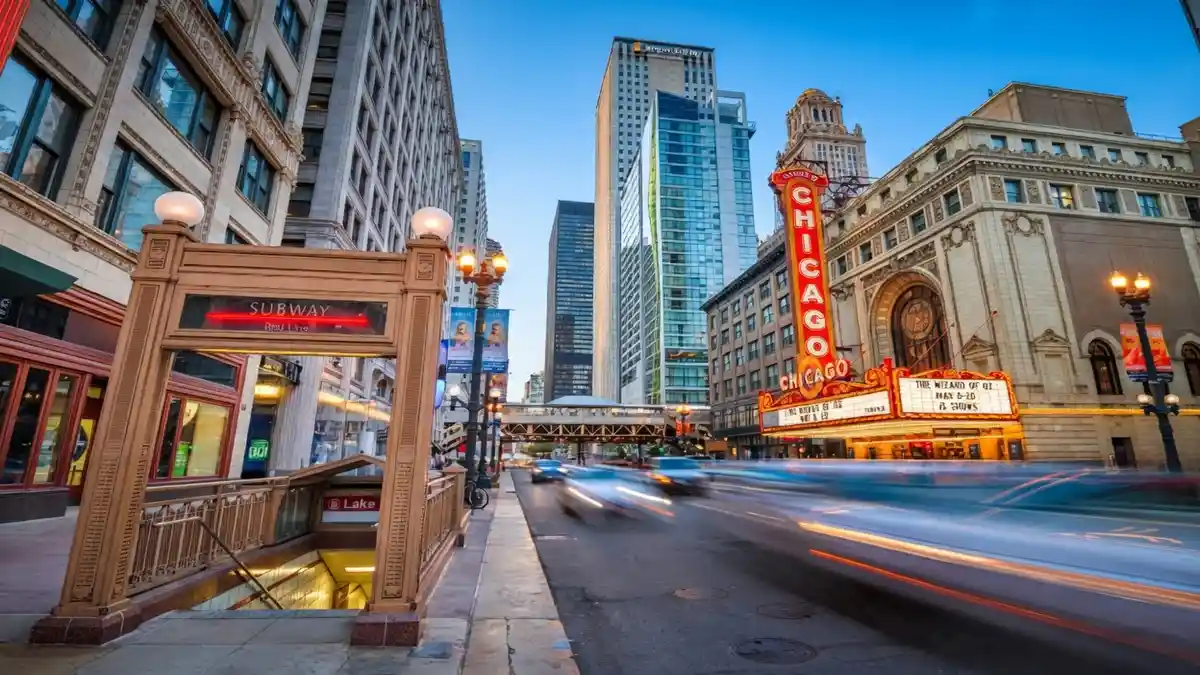
How Things to Do in Downtown Chicago Drive Foot Traffic and Business Value Across Chicagoland
Tourist dollars move business valuations. The things to do in downtown Chicago in 2026 pull millions of visitors into the Loop, along the river, and across the Museum Campus, and every one of those visitors walks past a coffee shop, a boutique, a medical office, or a service business that could be for sale.
At Chicagoland Business Broker, our team observed the same pattern in deal after deal: foot traffic is a valuation input, not a nice-to-have. When we appraise a business in Cook, Lake, DuPage, or McHenry County, we look at who is walking by and why.
Key Takeaways
- Foot traffic drives revenue predictability, and predictable revenue earns higher valuation multiples for small businesses near downtown attractions.
- The best things to do in downtown Chicago cluster around three anchors: the Field Museum, guided city tours, and mobile event experiences like archery.
- Location tier matters. A business inside a high-tourism zone can command a stronger multiple than an identical business two miles out.
Why Downtown Attractions Matter to Business Buyers and Sellers
Attractions create predictable customer flow. That flow is the single most important reason a buyer pays a premium for a business near a major draw. If you have been tracking Illinois business sales, this connection between tourism and valuation won’t come as a surprise.
Here is the mechanism in plain terms:
- More visitors means more walk-in customers.
- More walk-in customers means steadier revenue.
- Steadier revenue means lower perceived risk.
- Lower risk means a higher multiple at closing.
Our hands-on deal analysis suggests buyers pay for certainty. A café near a busy tour departure point has a built-in customer pipeline that a comparable café in a quiet corridor does not.
The Field Museum: An Anchor for Museum Campus Businesses
The Field Museum is one of the strongest foot-traffic anchors in the city. Open since 1893 and drawing steady crowds through 2026, it feeds nearby restaurants, parking operators, and service businesses across the Museum Campus. You can review current hours and exhibits directly at fieldmuseum.
Two headline exhibitions are running now, and both extend well into 2027, which means sustained visitor volume for the businesses around them.
Field Museum September 2026 Events and Exhibits
| Exhibit / Event | Status | Runs Through | Notes |
|---|---|---|---|
| Pokémon Fossil Museum | Special exhibition | April 11, 2027 | Floor 1, Main; high family draw |
| After the Age of Dinosaurs | Open | January 3, 2027 | Fossil and specimen galleries |
| T.REX: The Story of SUE 3D | Open | Ongoing | 3D immersive experience |
| Illinois Free Wednesday | Free general admission | September 23, 2026 | Peak single-day foot traffic |
| Dozin’ with the Dinos | Ticketed evening event | Sept 18, 2026 | After-hours family programming |
Free admission days spike visitor counts. For a nearby food or retail business, those spikes show up in the sales records a buyer reviews during due diligence.
Guided City Tours: Mobile Foot Traffic That Follows a Route
Tours concentrate visitors along predictable paths. That predictability is gold for any business sitting on a tour route or near a departure point. See It All Chicago Tours, for example, departs from the Palmer House Hilton at 17 E. Monroe St. and moves groups through the Loop, Millennium Park, the Museum Campus, and the Gold Coast. You can see the full itinerary at seeitallchicagotours.
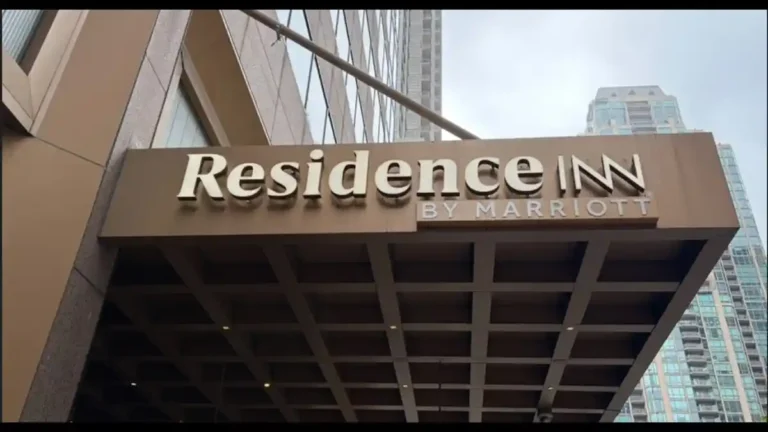
Why the Residence Inn Chicago Downtown Magnificent Mile Matters When You Close a Deal
Tour Options and Costs
| Tour | Adult Price | Child (4–12) | Duration | Departure |
|---|---|---|---|---|
| Chicago Minibus Tour | $48.95 | $38.95 | 2 hours, 4 photo stops | Palmer House Hilton |
| Minibus + River Architecture Boat | $98.95 | $68.95 | ~4 hours | Palmer House Hilton |
| Private Tour (1–14 guests) | $900 flat | Included | Customizable | Hotel pickup |
| Private Tour (15–22 guests) | $1,440 flat | Included | Customizable | Hotel pickup |
| Private Tour (39–55 guests) | $2,140 flat | Included | Customizable | Hotel pickup |
Photo stops matter more than they look. Each of the 4 photo stops on the minibus tour creates a short burst of pedestrians who buy drinks, snacks, and souvenirs. A business owner preparing to sell should document seasonal sales tied to those stops, because that data supports a stronger asking price.
Ax Legends Mobile Archery: The Event Economy Angle
Mobile experiences bring the crowd to the business. Ax Legends runs a mobile archery activation that travels to corporate events, festivals, and private parties, bringing bows, arrows, targets, and backstops on site. Details are at axelegends.
This model is worth watching for two reasons:
- Corporate and event demand is a recurring revenue stream, which buyers value highly.
- Low fixed-location dependence means the business is less exposed to a single address.
Their lineup includes:
- Mobile Archery (Archery Legends): guided target shooting for all skill levels.
- Hoverball Archery Inflatable: four air streams float target balls for safe, all-ages play.
- Corporate and private event activations: team building, festivals, client entertainment.
A mobile activation business is portable revenue. From a valuation standpoint, that portability can offset the location premium a fixed storefront enjoys near the Field Museum.
Indoor vs. Outdoor: Activity Type and Business Impact
Weather shapes downtown spending patterns. Indoor attractions produce steadier year-round traffic, while outdoor and seasonal activities peak in warmer months. Buyers weigh this seasonality when they model cash flow.
Activity-Type Comparison (Indoor vs. Outdoor)
| Factor | Indoor (Field Museum) | Outdoor / Seasonal (Boat Tours, Archery) |
|---|---|---|
| Peak season | Year-round | Late spring to early fall |
| Weather risk | Low | Moderate to high |
| Foot-traffic stability | High | Variable |
| Nearby business revenue pattern | Consistent | Seasonal spikes |
| Valuation predictability | Stronger | Requires seasonal adjustment |
The takeaway for sellers is simple. If your revenue swings with the seasons, show the buyer a clear month-by-month history so the multiple reflects reality rather than guesswork.
How Foot Traffic Zones Affect Business Valuation
Location tier changes the multiple. Two businesses with identical earnings can be valued differently based on the tourism zone they sit in. Chicagoland dealmakers are noting tighter buyer scrutiny of location data in 2026.
How Things to Do in Downtown Chicago Drive Foot Traffic and Business Value Across Chicagoland
— Chicagoland Business Broker (@chicagoland55) September 18, 2026
The things to do in downtown Chicago in 2026 pull millions of visitors into the Loop…@Travel_Chicago @ChicagoBlackBus @ChooseChicago https://t.co/3KAJGQbkv4
Business Valuation Impact by Foot Traffic Zone
| Zone | Example Area | Traffic Level | Typical Valuation Effect |
|---|---|---|---|
| Tier 1: Core attraction | Museum Campus, Millennium Park | Very high | Premium multiple |
| Tier 2: Tour corridor | The Loop, riverfront | High | Above-average multiple |
| Tier 3: Adjacent neighborhood | Gold Coast, Lincoln Park edges | Moderate | Market multiple |
| Tier 4: Suburban Chicagoland | Lake, DuPage, McHenry Counties | Steady, local | Multiple tied to local demand |
Suburban businesses are not second-class. A well-run practice or shop in DuPage or McHenry County with loyal local customers can be just as sellable as a downtown storefront, because it depends less on tourism volatility. The point is to match your valuation story to your actual traffic source.
Pricing Snapshot: What Visitors Spend Downtown
Visitor spending is the raw material of nearby business revenue. Here is a quick comparison of common downtown activity costs a family or group might face in a single day.
Attraction Pricing Comparison
| Activity | Approximate Cost (per adult) | Group-Friendly? |
|---|---|---|
| Field Museum admission | Free on Illinois Free Wednesdays; paid otherwise | Yes |
| Chicago Minibus Tour | $48.95 | Yes |
| Minibus + Architecture Boat combo | $98.95 | Yes |
| Private guided tour | From $900 per group | Yes |
| Mobile archery activation | Quote-based (event pricing) | Yes, event-focused |
Every dollar spent on an experience spills into the surrounding economy. Parking, dining, and retail all catch a share, and that share is what buyers underwrite when they value a nearby business.
Steps to Prepare Your Business for Sale Near a High-Traffic Zone
Preparation protects your multiple. If your business benefits from the things to do in downtown Chicago, package that advantage clearly before you go to market.
- Document your traffic source. Show which nearby attractions and events drive your customers.
- Track seasonal revenue. Provide month-by-month figures so buyers see the pattern, not a guess.
- Tie sales to events. Match revenue spikes to Free Wednesdays, tour schedules, and festivals.
- Clean up your books. Verified, up-to-date records build buyer trust and defend your price.
- Get a professional appraisal. An on-site valuation from a licensed advisor anchors negotiations.
Buyers reward sellers who show their work. The clearer your data, the shorter your time on market.
Pros and Cons of Buying a Business in a Tourism Zone
Tourism zones cut both ways. Weigh the upside against the exposure before you commit.
Pros:
- Higher walk-in volume from steady attraction traffic.
- Brand visibility from being near landmark destinations.
- Pricing power during peak seasons and event days.
Cons:
- Higher rent and occupancy costs in Tier 1 zones.
- Seasonal swings for outdoor-dependent businesses.
- Event disruption, such as game-day parking closures on the Museum Campus.
Know your zone, and price the risk honestly. That balance is where a good broker earns their fee.
Frequently Asked Questions
Do downtown attractions really change a business’s sale price?
Yes. Predictable foot traffic lowers buyer risk, and lower risk supports a higher multiple.
Are suburban Chicagoland businesses harder to sell?
No. Businesses in Lake, DuPage, and McHenry Counties often sell well because they rely on stable local demand rather than seasonal tourism.
What data should I collect before selling?
Collect verified financials, month-by-month revenue, and a clear record of how nearby events drive your sales.
Your Next Step
Foot traffic tells a story, and that story shapes your valuation. The things to do in downtown Chicago are more than a visitor’s itinerary; they are a revenue signal that buyers read closely. Whether you own a storefront near the Field Museum or a practice out in McHenry County, the same principle applies: document your traffic, prove your revenue, and price with confidence.

2 Comments