How Studio Apartments in Chicago Area Are Reshaping Residential Real Estate Strategy in 2026
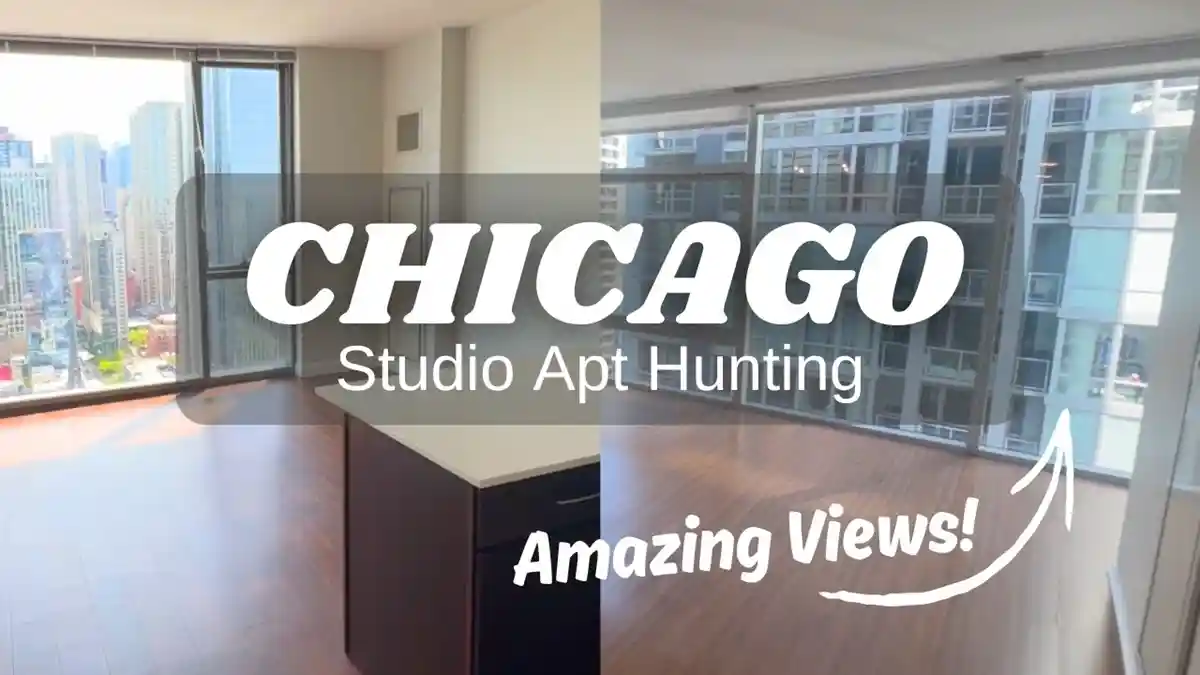
Rent for a compact unit is now one of the sharpest signals of where money moves in the metro. Studio apartments in Chicago area average $1,792 a month across roughly 466 square feet, according to current RentCafe market data, and that single number tells buyers, sellers, and investors more than most quarterly reports.
It shows demand for affordable, entry-level housing near jobs and transit. And it shapes how we value income-producing property across Cook, Lake, DuPage, and McHenry Counties.
At Chicagoland Business Broker, we track this data because studio demand feeds directly into deal math. When workforce housing rents hold steady, the businesses that depend on that workforce hold value too.
Key Takeaways
- Studio rents are climbing but stable. Chicago studios average $1,715 to $1,792 per month, up about 4.3% year over year, making them the most budget-friendly unit type in the metro.
- Location drives the spread. A Loop high-rise studio can cost far more than a suburban compact unit, and that gap directly affects cap rates and property valuation.
- Studio demand is a buy signal. Strong occupancy in small units supports SBA-backed financing and stronger exit multiples for multifamily and mixed-use owners.
2026 Chicago Area Studio Apartment Rent Snapshot
Studio rents in 2026 vary widely by submarket. The metro average sits near $1,715 to $1,792, but the range from downtown towers to suburban communities is what actually drives investment decisions. Our team pulls these benchmarks before every multifamily appraisal.
| Submarket | Avg. Studio Rent | Typical Sq Ft | YoY Change |
|---|---|---|---|
| The Loop (Downtown) | $2,050 – $2,400 | 450 – 550 | +3.8% |
| Mount Prospect (NW Suburb) | $1,550 – $1,850 | 480 – 600 | +4.1% |
| Northwest Suburbs (avg) | $1,450 – $1,700 | 500 – 650 | +4.3% |
| Chicago Metro Average | $1,715 – $1,792 | 466 | +4.3% |
Per Apartments.com market trends, the citywide studio average is $1,715, with a 4.3% annual increase. That steady climb, not a spike, is what lenders and buyers want to see. Predictable rent growth signals durable income. A market that grows 4% a year is easier to underwrite than one that jumps 12% and crashes.
Next step: Pull a submarket-specific rent comp before you price any studio-heavy building.
Top Studio and Compact Apartment Communities in Chicagoland
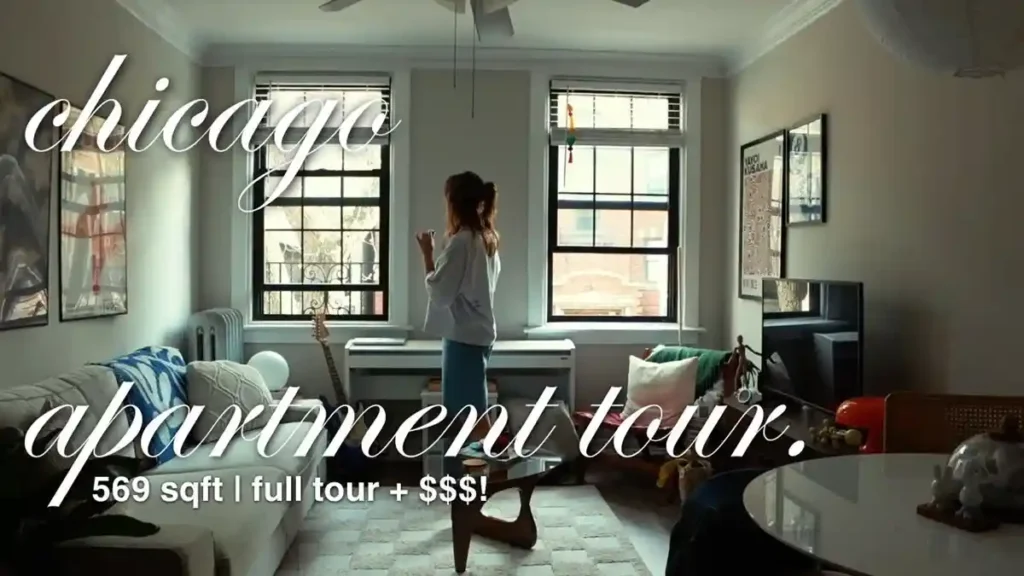
Three communities show the full range of compact living in the metro. Each targets a different renter, and each represents a different investment profile. We reviewed their positioning to map how product type affects rent ceilings.
| Community | Location | Unit Types | Rent Range | Key Amenities | Lease Flexibility |
|---|---|---|---|---|---|
| 73 East Lake | The Loop | Studio to multi-bedroom, condo-quality high-rise | $2,000+ | 42nd-floor sky lounge, golf simulator (2026), remodeled fitness center | Standard 12-month |
| HQ Residences | Mount Prospect | Studios, 1–3 bed, townhomes | $1,550 – $2,800+ | Steps from Metra, pickleball, fitness center, indoor parking | 12-month, by appointment |
| Redwood | NW/SW Suburbs | 2-bed single-story only | $2,499+ | Attached garage, private patio, pet-friendly x3 | 6–15 month flexible |
73 East Lake anchors the premium downtown tier with 42-story views one block off Michigan Avenue. HQ Residences captures the transit-oriented suburban renter who wants a studio near the Metra without downtown pricing. Redwood skips studios entirely and bets on space-seeking renters who want single-family feel. Product mix decides your tenant mix, and tenant mix decides your risk profile.
Next step: Match the community model that fits your target renter before you buy or reposition a building.
Neighborhood-by-Neighborhood Breakdown
Where a studio sits determines what a renter will pay for it. Commute time, walkability, and lifestyle set the rent ceiling in each submarket. We weigh all three when we assess a location’s income potential.
| Area | Commute to Loop | Lifestyle | Avg. Studio Rent |
|---|---|---|---|
| The Loop | 0 – 10 min (walk/CTA) | High-density, walkable, dining and theater | $2,050 – $2,400 |
| Mount Prospect | 35 – 45 min (Metra UP-NW) | Suburban downtown, restaurants, top schools | $1,550 – $1,850 |
| NW/SW Suburbs | 45 – 70 min (car/Metra) | Quiet, spacious, single-story living | $1,450 – $1,700+ |
The Loop wins on convenience and charges for it. Mount Prospect offers a middle path: a walkable downtown, direct Metra access, and rents well below the tower premium. The outer suburbs trade commute time for square footage and quiet. Renters price their own time, and that pricing shows up in your rent roll.
Next step: Score any property on commute-to-jobs before assuming its studio rents can rise.
What Studio Apartment Demand Means for Business Buyers and Sellers in Illinois
Studio demand is a proxy for local workforce health. When entry-level renters can afford to live near jobs, the businesses that employ them stay staffed and stable. That link matters more to a business valuation than most owners realize.
Here is how compact-unit demand feeds deal value:
- Workforce housing supports labor supply. Restaurants, clinics, and retail near affordable studios fill shifts more easily, which protects revenue.
- Stable rents anchor mixed-use value. A ground-floor business under occupied studios benefits from steady foot traffic and predictable neighbors.
- Occupancy trends signal market timing. Rising studio occupancy tells us a submarket is absorbing population, which lifts both real estate and business multiples.
If you have been tracking Illinois business sales, this connection between housing and Main Street won’t come as a surprise. Our hands-on deal analysis shows that healthcare practices, service businesses, and retail near strong rental corridors command firmer prices. Buyers pay for stability, and steady studio demand is one of the clearest stability signals we measure.
Next step: Before you list or buy, check the studio occupancy trend in the surrounding half-mile.
How Rate Field West 35th Street Chicago IL Drives South Side Business Opportunity
Financing a Multifamily or Mixed-Use Property with Studio Units
Financing a studio-heavy building usually runs through one of two SBA programs. The SBA 7(a) and SBA 504 loans both support owner-occupied and business-connected real estate, but they solve different problems. Choose based on how you plan to use the property.
| Feature | SBA 7(a) | SBA 504 |
|---|---|---|
| Best For | Working capital, acquisition, mixed use | Fixed assets, real estate, heavy renovation |
| Typical Max | Up to $5 million | Up to $5.5 million (CDC portion) |
| Down Payment | 10% – 15% | ~10% |
| Rate Structure | Variable or fixed | Long-term fixed (CDC portion) |
| Owner-Occupancy Rule | 51% owner-occupied (existing) | 51% owner-occupied (existing) |
| Best Fit Scenario | Business plus a few studio units above | Buying and renovating the whole building |
Both programs are detailed at the U.S. Small Business Administration. The 504 loan fits an owner buying and holding a mixed-use building with studios upstairs and a business below. The 7(a) loan fits a buyer who needs flexibility across acquisition and working capital. The right program depends on your occupancy plan, not just the interest rate.
Next step: Confirm your owner-occupancy percentage before you pick a loan program.
How Studio Apartments in Chicago Area Are Reshaping Residential Real Estate Strategy in 2026
— Chicagoland Business Broker (@chicagoland55) September 17, 2026
Rent for a compact unit is now one of the sharpest signals of where money moves in the metro.@apartmentscom @aptschicago @123chicago https://t.co/gXtvsuItzw
Buyer vs. Seller Considerations
Buyers and sellers read the same rent roll differently. A studio-heavy property looks like upside to one side and proof of value to the other. We help both sides align on the numbers that actually move a deal.
| Factor | Buyer Priority | Seller Priority |
|---|---|---|
| Rent Roll | Room to raise below-market studios | Prove rents are already at market |
| Occupancy | Verify true vacancy and turnover | Show stable, high occupancy history |
| Deferred Maintenance | Price in repair costs | Complete fixes before listing |
| Financing | Secure SBA or conventional terms | Offer clean books to speed approval |
| Cap Rate | Buy at a higher cap for yield | Sell at a lower cap for max price |
| Lease Terms | Prefer flexibility to reprice | Prefer long, signed leases |
Both sides win with clean documentation. A verified rent roll shortens due diligence and protects the price. A deal moves fast when the numbers survive scrutiny.
Next step: Request a trailing 12-month rent roll and P&L before any offer.
Steps to Position a Rental Property Business for Sale
Selling a studio-heavy rental business is a preparation exercise, not a listing event. The work you do before you list determines your final price. Follow these steps in order.
- Organize your financials. Assemble three years of P&L statements, tax returns, and a current rent roll.
- Bring rents to market. Adjust below-market studio rents where leases allow, so buyers see real income.
- Clear deferred maintenance. Fix visible issues that a buyer would otherwise use to negotiate down.
- Document lease terms. Compile every lease, renewal, and deposit record in one file.
- Get a professional appraisal. Order an on-site business and property valuation to set a defensible asking price.
- Prepare a clean offering package. Combine financials, photos, and market comps into one buyer-ready summary.
- Confirm financing options. Pre-check SBA eligibility so qualified buyers can move quickly.
Sellers who complete these steps close faster and hold their price under pressure. Our team runs this exact sequence on every rental property engagement.
Next step: Start with the trailing three-year financial package; everything else builds on it.
FAQs
What is the average rent for studio apartments in Chicago area in 2026?
Studio apartments in Chicago area average between $1,715 and $1,792 per month, based on current RentCafe and Apartments.com data. Rents rose about 4.3% year over year, and the typical studio runs near 466 square feet.
Are studio apartments a good investment in Chicagoland?
Studios can perform well because they carry the metro’s most affordable rents and strong entry-level demand. High occupancy and steady rent growth support financing and resale value. The key is buying in a submarket with real job access.
Which Chicago area communities offer studios?
73 East Lake in the Loop and HQ Residences in Mount Prospect both offer studio and compact units, while Redwood focuses on larger single-story suburban homes. Each targets a different renter and price tier.
How do studio rents affect a business valuation?
Stable studio rents signal a healthy local workforce, which supports the revenue of nearby businesses. Buyers pay more for stability, so strong rental demand often lifts business multiples in the same corridor.
Can I use an SBA loan to buy a mixed-use building with studios?
Yes, if the property meets the 51% owner-occupancy rule for existing buildings. The SBA 504 fits real estate and renovation, while the SBA 7(a) fits acquisition plus working capital.
Ready to Turn Market Data Into a Deal
Studio demand is one of the clearest signals we track, and it shapes how we value every income property in the metro. Studio apartments in Chicago area point to where renters, workers, and revenue concentrate, and that intelligence drives smarter buying and selling decisions across Cook, Lake, DuPage, and McHenry Counties.




3 Comments