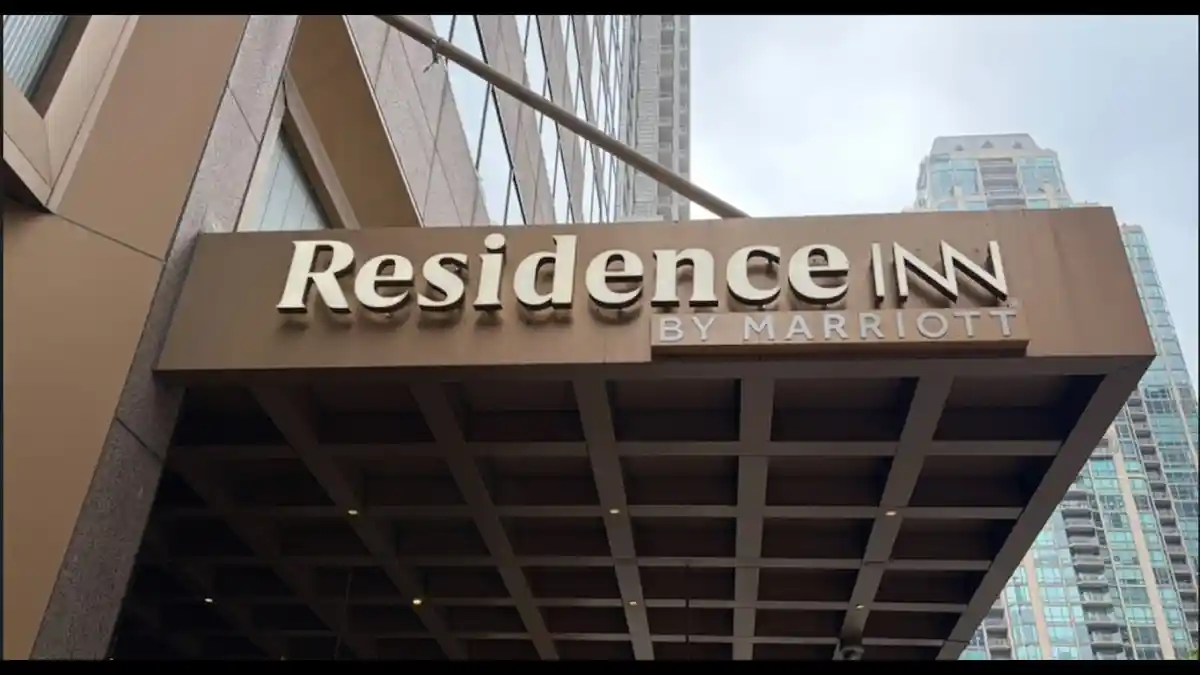
Why the Residence Inn Chicago Downtown Magnificent Mile Matters When You Close a Deal
That is where the Residence Inn Chicago Downtown Magnificent Mile earns a look. At Chicagoland Business Broker, we track lodging costs the same way we track deal costs, because both hit your bottom line. Extended-stay properties on the Magnificent Mile put you steps from the banks, law offices, and businesses you are evaluating.
Our hands-on deal analysis suggests that where you stay during a transaction shapes how fast and how cheaply you close.
Key Takeaways
- Extended-stay lodging near downtown Chicago cuts per-day costs on transactions that stretch past a week, which most business acquisitions do.
- The Residence Inn Chicago Downtown Magnificent Mile sits close to Cook County dealmaking hubs, saving travel time during due diligence.
- Comparing hotels, extended-stay suites, and furnished apartments before you travel protects your deal budget and keeps working capital intact.
Chicago Multifamily Homes Under $300,000 Turn First-Time Buyers Into Landlords in 2026
What is the Residence Inn Chicago Downtown Magnificent Mile?
The Residence Inn Chicago Downtown Magnificent Mile is an extended-stay hotel built for longer visits. It belongs to Marriott’s Residence Inn brand, a chain designed around suites with kitchens rather than plain rooms. That distinction matters for anyone spending more than two nights in the city.
Business buyers rarely fly in for a single day. Due diligence, seller meetings, and lender sit-downs pull you into Chicago for a week or more. A suite with a kitchen and workspace changes the math on a long stay.
You can review room types and current availability directly through the Residence Inn Chicago Downtown Magnificent Mile listing on Marriott’s site.
Location and Market Context: The Magnificent Mile
The Magnificent Mile is Chicago’s premier commercial corridor along North Michigan Avenue. It anchors the downtown business district, connecting the Loop to River North and the Gold Coast. For dealmakers, location is not a luxury. It is a time-saver.
Most Cook County business transactions run through downtown professionals. Your transaction attorney, your SBA lender, and your CPA likely keep offices within a short ride of Michigan Avenue. Staying nearby means fewer wasted hours in traffic.
Chicagoland dealmakers are noting a simple pattern: proximity shortens the deal clock.
| Downtown Chicago Deal Resource | Typical Distance from Magnificent Mile |
|---|---|
| Commercial banks and SBA lenders | Under 1 mile |
| M&A and transaction attorneys | 1 to 2 miles |
| Accounting and valuation firms | Under 2 miles |
| Cook County recording offices | 1 to 2 miles |
| River North business inventory | Under 1 mile |
Your next step: map every deal meeting before you book, then measure the total travel time each lodging option adds.
Chicago Multifamily Homes Under $300,000 Turn First-Time Buyers Into Landlords in 2026
Extended Stay vs. Traditional Hotel: The Cost Difference
Extended-stay suites lower your per-night cost as your stay grows longer. Traditional hotels charge a flat premium every night, with no kitchen and limited workspace. On a two-week due diligence trip, that gap adds up.
A kitchen means you skip three restaurant meals a day. A separate workspace means you review financials without hunching over a nightstand. Both save money and protect your focus.
- Traditional hotel: Higher nightly rate, no kitchen, small work area, daily dining costs.
- Extended-stay suite: Lower long-stay rate, full kitchen, dedicated workspace, in-suite laundry.
- Furnished apartment: Lowest cost on 30+ day stays, apartment-scale space, less hotel-style service.
Compare the Residence Inn Chicago Downtown Magnificent Mile extended-stay format against a standard downtown hotel before you commit to a rate.
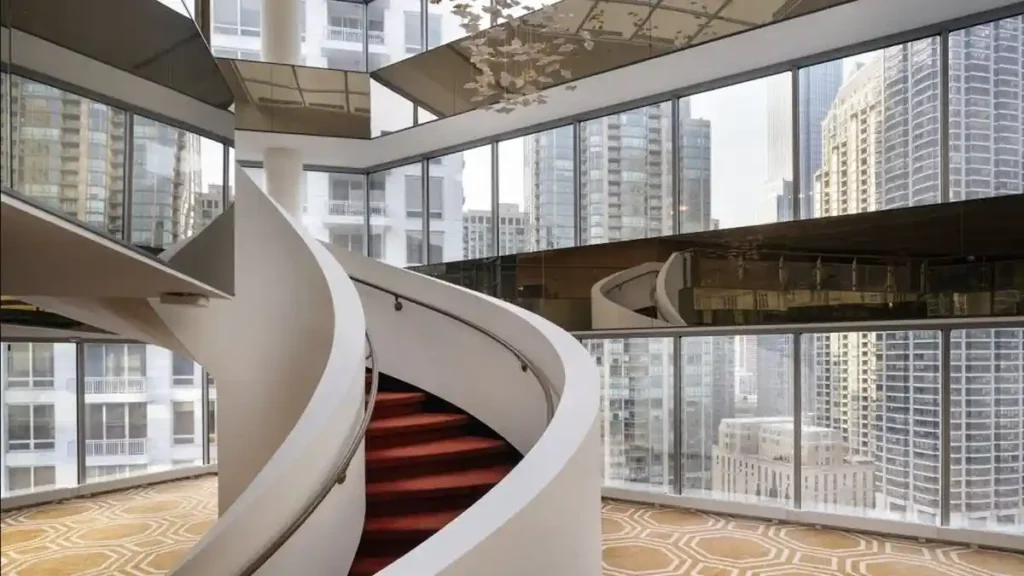
Accommodation Options and Rate Comparison
Rates in downtown Chicago shift with season, events, and demand. The numbers below are illustrative ranges to frame your planning, not live quotes. Always confirm current pricing at booking.
| Lodging Type | Nightly Range (Illustrative) | Kitchen | Workspace | Best For |
|---|---|---|---|---|
| Extended-stay suite (Residence Inn) | $190 to $320 | Full | Yes | 5 to 21 day deals |
| Boutique downtown hotel | $180 to $300 | No | Limited | 1 to 4 night trips |
| Furnished apartment | $130 to $250 | Full | Yes | 30+ day relocations |
For a boutique alternative with athletic-club access, The Hotel at Midtown offers Deluxe King and Double Queen rooms at 343 square feet, with included parking and a $45 nightly resort fee. For longer relocations, Landing rents fully furnished apartments with full kitchens, in-unit laundry, and flexible terms across Chicago.
Your next step: request a corporate or long-stay rate quote from each option, since posted rates rarely reflect the negotiated price.
The Chicago Magnificent Mile Hospitality Market
The Magnificent Mile hospitality market runs on business travel, conventions, and tourism. Demand spikes around major events, which pushes nightly rates up fast. That volatility affects your deal budget if you book late.
Our team observed that acquisition timelines rarely align with the cheapest travel windows. You go when the deal demands it, not when rates dip. Booking flexible-cancellation rates early protects you against both.
If you have been tracking Illinois business sales, this strategic move won’t come as a surprise: seasoned buyers lock lodging the moment a letter of intent is signed.
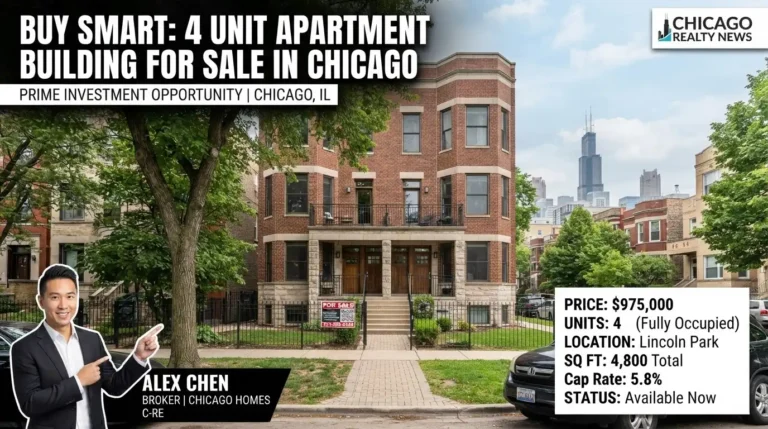
Buy Smart: 4 Unit Apartment Building for Sale in Chicago
| Market Factor | Effect on Lodging Cost |
|---|---|
| Convention season | Higher rates, low availability |
| Winter off-peak | Lower rates, wide availability |
| Weekday business travel | Steady mid-range rates |
| Late booking near event dates | Sharp price premiums |
Business Traveler Use Cases
Business travelers use the Residence Inn Chicago Downtown Magnificent Mile for stays that outlast a single meeting. Each use case ties back to a real transaction need. Here is how it fits the deal cycle.
- Conduct due diligence. Review financials, contracts, and operations over one to three weeks from a suite with a workspace.
- Meet sellers and staff. Stay close to the target business for repeat, in-person sessions.
- Coordinate with lenders. Sit down with SBA lenders and banks clustered near downtown.
- Manage post-close transition. Remain on-site while you integrate a newly acquired business.
- Relocate after acquisition. Bridge the gap before permanent housing with a furnished apartment.
Your next step: match your stay length to the deal phase, then pick the lodging format that fits that window.
Why the Residence Inn Chicago Downtown Magnificent Mile Matters When You Close a Deal
— Chicagoland Business Broker (@chicagoland55) September 14, 2026
That is where the Residence Inn Chicago Downtown Magnificent Mile earns a look. At Chicagoland Business…@VisitChicago @Marriott @ResidenceInn https://t.co/Eta4ApFpMr
Deal and Valuation Relevance for Buyers and Sellers
Lodging cost is a transaction cost, and transaction costs affect your return. Every dollar you overspend on travel is a dollar out of your working capital at closing. Smart buyers budget lodging alongside legal and financing fees.
The U.S. Small Business Administration notes that buyers should account for all acquisition-related expenses when planning capital needs, a point detailed across SBA guidance on buying a business. Travel and due diligence costs belong in that plan.
For sellers, the lesson is different but connected: a smooth, well-hosted buyer visit keeps a deal moving.
Buyer action steps:
- Budget lodging as a line item inside total deal costs.
- Book flexible rates that match an uncertain closing date.
- Choose extended-stay format for any diligence period over five days.
Seller action steps:
- Recommend nearby lodging to visiting buyers to reduce friction.
- Schedule meetings in tight windows to shorten buyer stays.
- Treat buyer convenience as part of your deal presentation.
| Deal Factor | Buyer Responsibility | Seller Responsibility |
|---|---|---|
| Lodging cost | Budget and book | Suggest options |
| Meeting scheduling | Confirm availability | Consolidate sessions |
| Due diligence access | Review on-site | Prepare records |
| Closing coordination | Arrange financing | Provide documentation |
8213 West Summerdale Avenue: Chicago Property History & 2026 Value
Pros and Cons of Staying Near the Magnificent Mile
Every lodging choice carries tradeoffs. Weigh them against your deal timeline before you book. Here is the short version.
Pros:
- Close to lenders, attorneys, and downtown business inventory.
- Extended-stay suites lower cost on long due diligence trips.
- Kitchen and workspace cut daily dining and improve focus.
Cons:
- Peak-season rates run high near the Magnificent Mile.
- Parking and resort fees add to the posted rate.
- Late booking during events limits your options fast.
Your next step: build a simple two-column cost sheet comparing your top two lodging picks against your expected stay length.
Frequently Asked Questions
Is the Residence Inn Chicago Downtown Magnificent Mile good for long due diligence trips?
Yes. Extended-stay suites with kitchens and workspaces suit stays of five days or more, which covers most business acquisitions.
How does it compare to a furnished apartment for a 30-day relocation?
Furnished apartments like Landing usually cost less on 30-plus day stays and offer full apartment space, while extended-stay hotels add daily service.
Should buyers budget lodging as a deal cost?
Always. Treat travel and lodging as transaction costs alongside legal and financing fees, consistent with SBA capital-planning guidance.
Conclusion: Book Smart, Close Smart
Where you stay during a transaction affects how much you spend and how fast you close. The Residence Inn Chicago Downtown Magnificent Mile gives business buyers an extended-stay base near Chicago’s deal-making core, with kitchens and workspace that pay off on longer trips.
Compare it against boutique hotels and furnished apartments, factor lodging into your total deal budget, and book flexible rates early.


3 Comments